
Not a Giver, Not a Taker: Nevada Nearly Breaks Even in Federal Funding Exchange
In fiscal year 2024, the U.S. collected $5.07 trillion in federal taxes, with California contributing the largest total share (15.9%), while Massachusetts, Nebraska, and Minnesota had the highest per capita payments and states like West Virginia and Mississippi the lowest; Nevada ranked in the lower half per person at about $12,500. After comparing all taxes paid to federal spending received, Nevada was nearly in balance with a small positive net of ~$1,500 per resident, placing it roughly in the middle among states—neither a major donor like California, New York, and New Jersey nor a large recipient like Virginia, New Mexico, and Maryland. Nevada’s close-to-even status stems from defense spending at bases like Nellis offsetting moderate tax revenue from tourism and services, making it less federally dependent than about half the country.
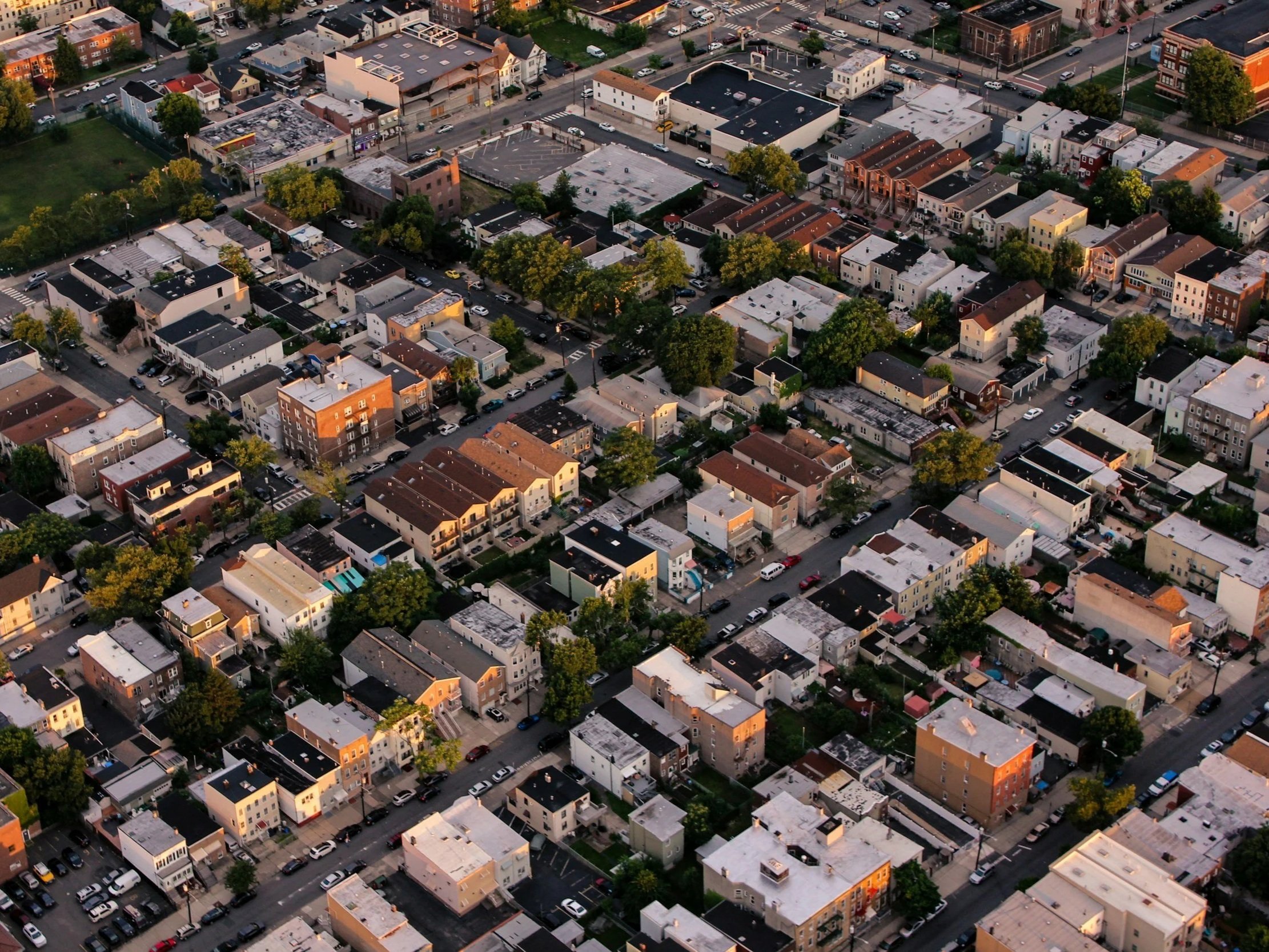
Nevada Cost-Burdened Households Increase by 106K Over 10 Years
In Nevada, 38% of households are cost-burdened, well above the national average of 31%, with over 100,000 more families affected than a decade ago. Renters face the heaviest burden, with 58% spending at least 30% of their income on housing, compared to just 27% of homeowners. Nevada ranks among the least affordable states, and urgent action is needed to increase housing supply, reform zoning, and strengthen renter protections.

Nevada’s Cost of Living: A Balancing Act of Growth and Affordability
Affordability has emerged as a top concern for voters in the 2025 midterm elections. Nevada’s overall cost of living runs slightly above the national average, with expenses pushed higher by housing costs, especially in the Las Vegas and Reno areas. Although healthcare and some other categories remain more affordable than in many states, rapid population growth and the state’s tourism-driven economy continue to put pressure on household budgets, while rural Nevada generally stays closer to or below the U.S. norm. Economic diversification and political shifts, like the $12 minimum wage, add complexity to affordability.

Federal Courts Rule Trump-Appointed Interim U.S. Attorneys Exceeded 120-Day Limit; Nevada’s Office Among Those Affected
Federal courts in multiple districts have held that interim U.S. Attorneys appointed by President Trump, including Sigal Chattah in the District of Nevada, may no longer serve because their 120-day term under the Federal Vacancies Reform Act has expired. The rulings, which reject Justice Department efforts to extend the appointments, mean the affected offices—including Nevada’s, which oversees more than 1,000 federal cases annually—are now led by career deputy U.S. Attorneys pending appeals
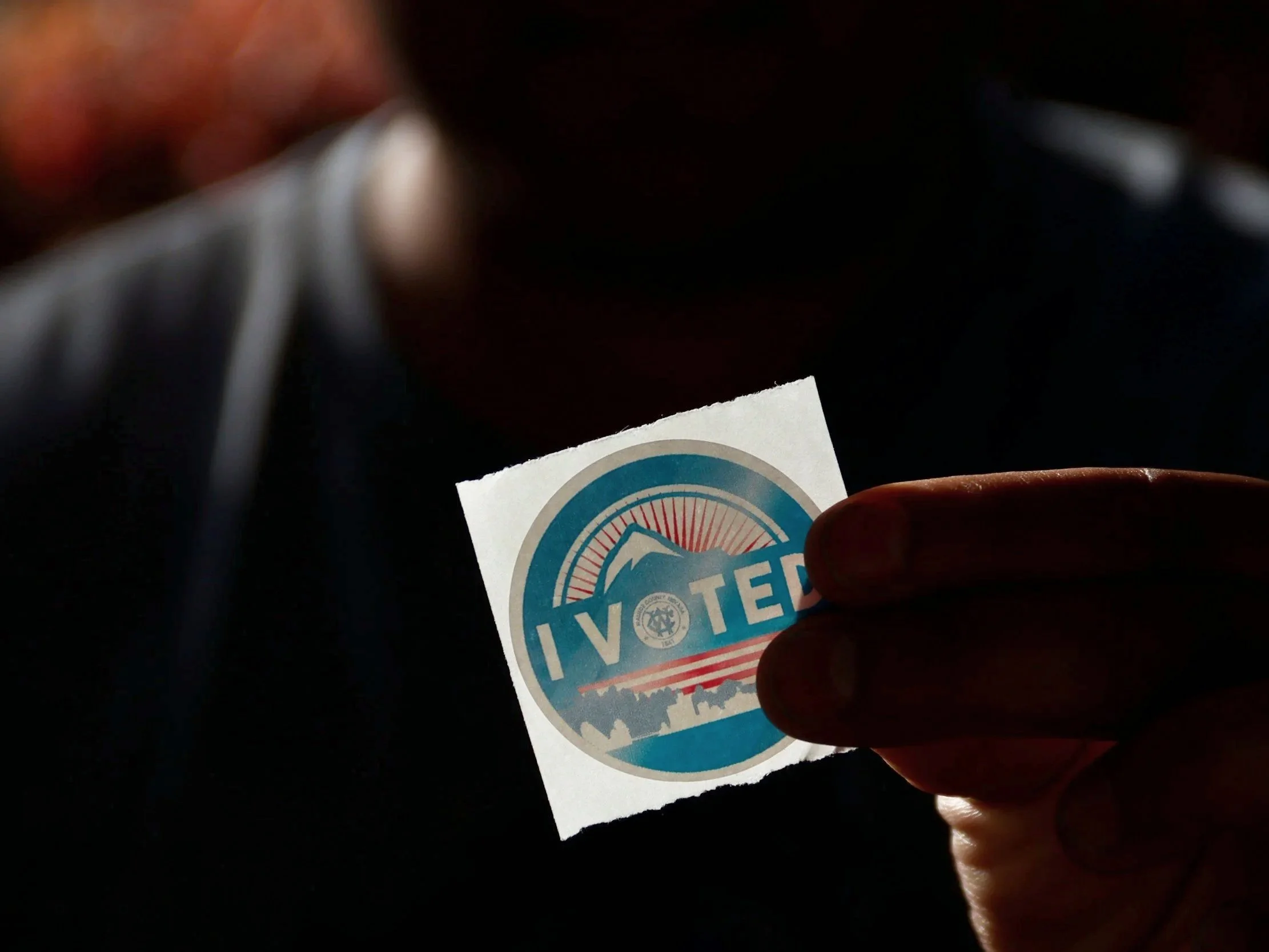
Nevada Voter Rolls Grow by 14K in October – Nonpartisans Surge to 37% of Electorate
Nevada gained 14,288 active voters in October, reaching 2,129,632 total. Nonpartisans drove the growth with a 12,733 increase and now make up 37 percent of the electorate, surpassing both Republicans and Democrats. Republicans grew by 1,306 and hold a narrow edge over Democrats, who added just 411. The rise of unaffiliated voters continues to dominate registration trends in the state.

Approx. 650,000 immigrants call Nevada home, far above national average
New U.S. Census data shows Nevada’s foreign-born population has reached about 650,000, or nearly 20% of the state’s residents—up slightly from 19% in 2014 and well above the current national average of 14.8%.

Nevada Graduation Rates Climb for Class of 2025
Nevada's high school graduation rate rose for the Class of 2025, with Career and Technical Education students leading the way, supported by recent funding boosts. The latest school performance data shows improvement, though concerns remain about low academic standards and graduates' basic skills. Despite progress, Nevada lags in adult literacy rankings.

No Tax on Tips explained
No Tax on Tips lets Nevada’s tipped workers, over 5% of the state’s workforce, exclude up to $25,000 in reported tips from federal income tax under the One Big Beautiful Tax Cut Bill, effective 2025 through 2028. The Treasury’s new guidance confirms the “above the line deduction” and could add $250 million to Nevada’s economy.

After Federal Shutdown Cut Food Aid for 15.5% of Nevadans, Legislature Passes Emergency Backup Plan
Nevada hit a record 15.5% SNAP participation in 2024. A 43-day federal shutdown cut off benefits, leading Gov. Lombardo to release $38.8 million in emergency aid and the Legislature to unanimously pass a bill creating a state-funded backup program for future disruptions.

Nevada’s Top News Outlets Shaping the Nevada’s Politics
Nevada’s political media landscape is small, dominated by just a few key outlets spanning print, broadcast, and digital platforms. The Las Vegas Review-Journal, Reno Gazette-Journal, 8 News Now, The Nevada Independent, and Nevada Public Radio form the core, delivering the state’s most comprehensive coverage of politics and policy. As the 2026 elections near, these sources remain essential for tracking campaigns, legislation, and statewide issues.

Nevada Democrats Fracture Over Billion-Dollar Film Tax Credit in Special Session
Nevada’s special session, called to address health care, public safety, and jobs, has been dominated by Assembly Bill 5, offering $1.4 billion in film tax credits to build a Summerlin studio. Democrats are split: leaders and construction unions back 19,000 jobs and diversification; progressives, teachers, and public workers decry a Hollywood handout risking schools and services.

Nevada’s Adult Literacy Rate Is Among America’s Lowest
Nevada ranks 47th in adult literacy nationwide, with 25% of adults unable to read beyond short, simple texts, according to PIAAC data. This skills gap limits job readiness in tourism and mining, reduces lifetime earnings by 35%, and lowers voter turnout in a key swing state. Low K-12 funding and weak early reading proficiency contribute to the ongoing cycle of adult illiteracy.

Nevada Ranks Third-Lowest in Electricity Prices, 151% Cheaper Than California
Nevada ranks third-lowest in U.S. residential electricity prices at 12.57¢/kWh—151% cheaper than California. Low costs come from local geothermal, hydro, and solar power plus NV Energy’s regulated monopoly, upheld by voters and overseen by the PUCN.

SNAP Suspension Hits 495K Nevadans: Senate 5 Dem Votes Short of Funding Bill; 25 States Sue USDA, Trump Pledges Court-Approved Relief, Lombardo Approves $38.8M Reserves
SNAP Suspension Hits 495,000 Nevadans. While consistently voting no on the federal funding bill, Sen. Rosen now demands the use of contingency funds. The USDA says it cannot use reserves during shutdown. Twenty-five states sued the USDA, resulting in conflicting judges’ rulings. Pres. Trump asked for clarification on the authority to use the contingency funds and pledges immediate court-approved relief. Meanwhile, Gov. Lombardo approved $38.8 million in state reserves to support local food banks while federal funding is suspended.

Nuclear Tests May Resume in Nevada, Recalling Mushroom Clouds and Ground-Shaking Blasts
Pres. Trump announced plans to resume U.S. nuclear weapons testing at the Nevada National Security Site, ending a decades-long moratorium since 1992. The site, with a history of over 1,000 tests would require years of preparation to restart operations. The decision comes amid nuclear advancements by Russia, China, and North Korea.

Federal Reductions to Hit Nevada Health Coverage Hard
Nevada’s 612K Medicare enrollees—20% of the state’s population—face rising costs and federal cuts, with 53% in Medicare Advantage plans and 258K already disenrolled from Medicaid due to procedural issues. Budget reductions of $1 trillion in Medicaid and $500 billion in Medicare nationally threaten access, especially in rural areas with severe provider shortages.

Nevada Job Openings 2025: Hospitality and Tourism Drive Demand
Nevada’s 4.1% job openings rate in 2025, with 67K unfilled positions, highlights strong demand in its hospitality and tourism sectors, which employ nearly 28% of the state’s workforce. This contrasts with manufacturing-driven job markets in states like Georgia and North Carolina, reflecting Nevada’s unique tourism-based economy.
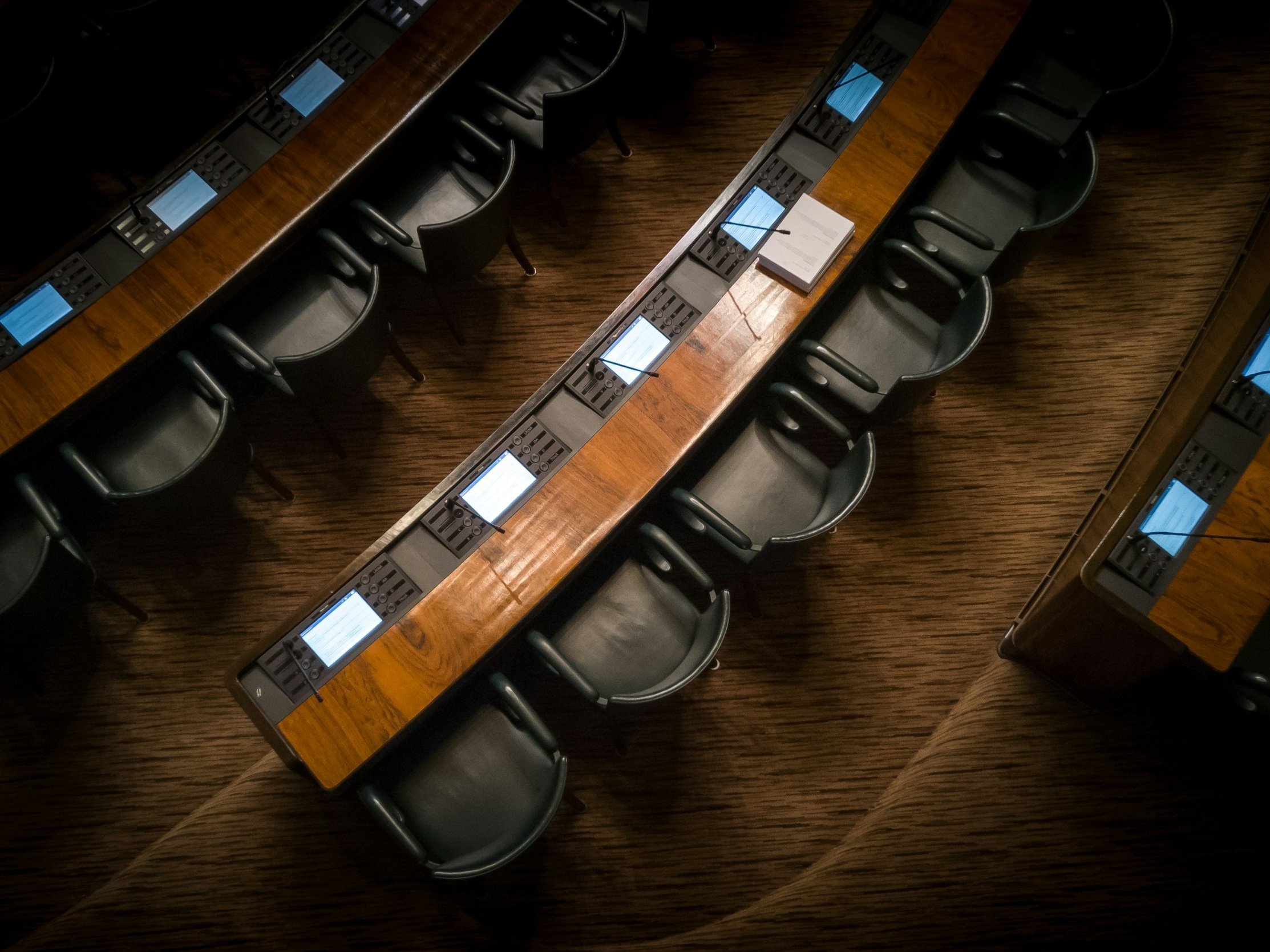
Harry Reid’s Nuclear Option Eyed to Break Shutdown Gridlock
The filibuster, a U.S. Senate rule allowing a minority to delay legislation by requiring 60 votes to end debate, has fueled gridlock, notably during the ongoing government shutdown, prompting calls for reform. Nevada’s influence, through former Nevada Democrat Senator Harry Reid’s 2013 "nuclear option" lowering the vote threshold for nominations, continues to shape debates, with current proposals exploring similar bypasses or reinstating talking filibusters to address funding crises.

The Power of Nevada’s Christian Community in Politics and Policy
Nevada’s Christian community, comprising two-thirds of the state’s religious population and 60% of its voters, significantly shapes the political landscape on issues like religious liberty, abortion, and immigration. With diverse groups like Catholics, Evangelicals, and Protestants, their influence is evident through high voter turnout and advocacy by organizations like the Nevada Catholic Conference.

Nevada’s Mormon Voters Shape Elections with High Turnout
Nevada’s Mormon community, comprising about 6% of the state’s population, wields significant political influence through high voter turnout and strategic mobilization, historically shaping key elections like Harry Reid’s and Dean Heller’s Senate runs. Centered in Clark County and rural strongholds, the LDS Church’s cohesive networks and commitment to civic engagement amplify its impact on policies like gambling and education.